

Designing the Wingback Pocket Pen
A look at the pocket pen design decisions behind our smallest writer: small enough to live on a keyring, yet writes like a full-size pen when posted. The metals, the machining and the refill, explained.

At a glance
- The Pocket Pen is 79.5mm (3.13") closed so it lives on a keyring or cord, and 132mm (5.20") posted, comparable to our full-size pens.
- It comes in three CNC-machined metals: solid brass that patinas, 303 stainless steel that needs no care, and Black Steel with a 4-micron tungsten carbide surface, 9x harder than stainless steel.
- It takes the compact D1 refill (a black Schmidt 635 is included) and accepts any standard D1.
- Machined and finished in England from aerospace-grade European metal, with 35 characters of personalisation along the barrel.
The brief we set ourselves for the Pocket Pen was a small one, in every sense: a pen small enough that it can discreetly join your daily carry, but can still function like a full-size pen when you need it. Here is how the pocket pen design came together, and why it looks and feels the way it does.
The design details
How do you make a pen small enough to always carry?
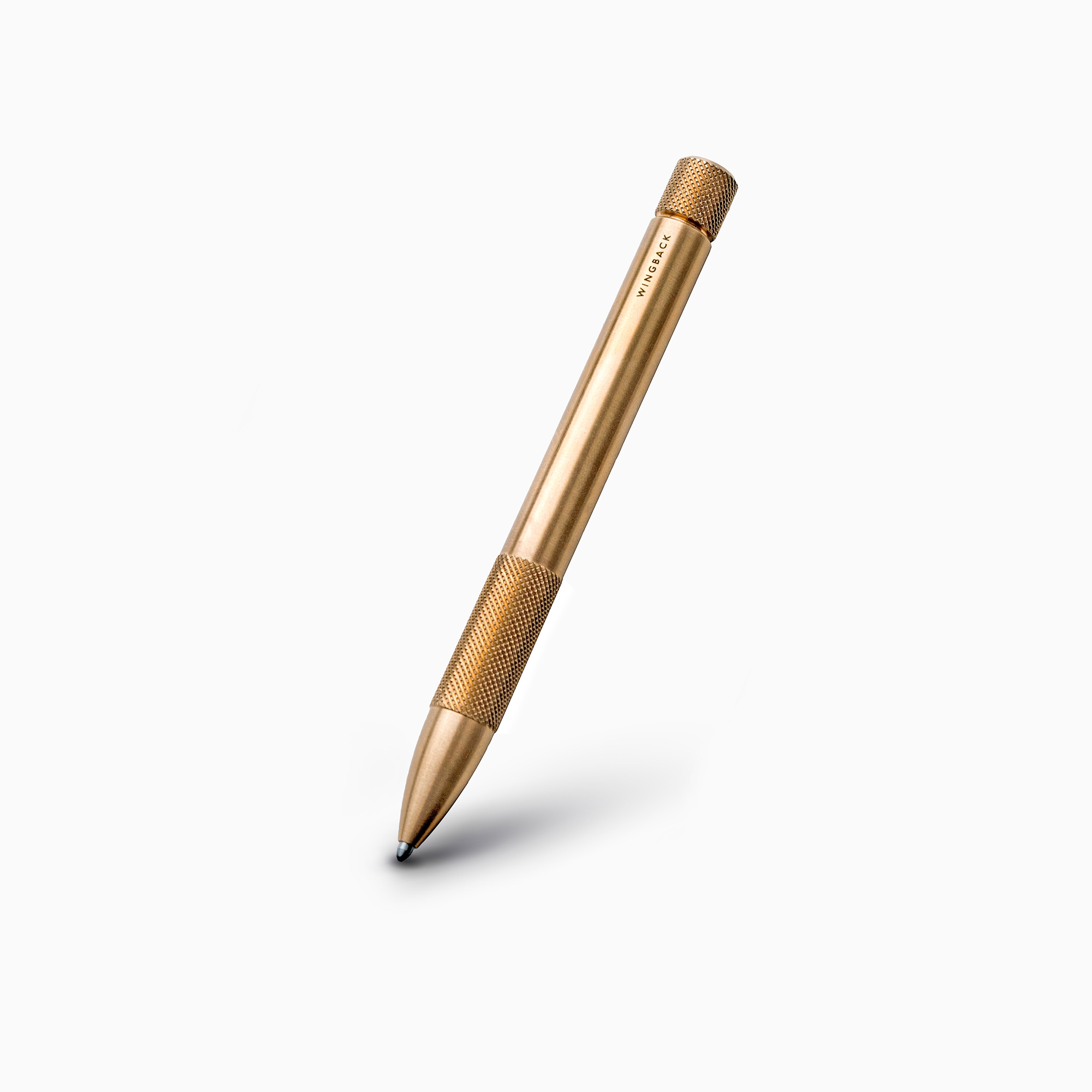
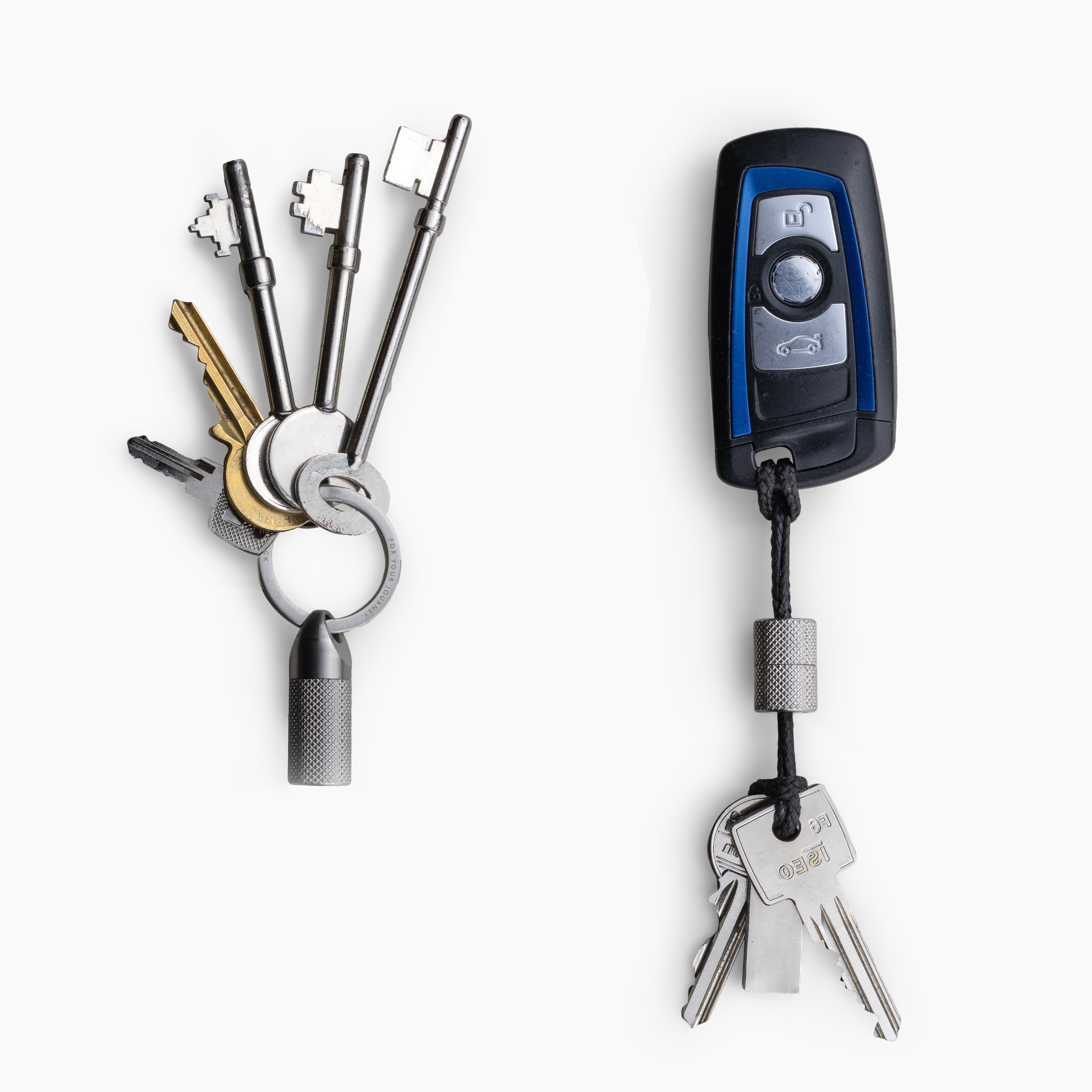
Closed, the Pocket Pen measures 79.5mm (3.13"), so it sits neatly on a keyring or a cord without adding a noticeable bulk however you carrying it. There is a hole machined straight through the cap to add a bit of versatility to how you can carry it and at Ø10mm (0.39") it stays slim in the hand or the pocket, wether attached to a key ring, lanyard or just as it comes.
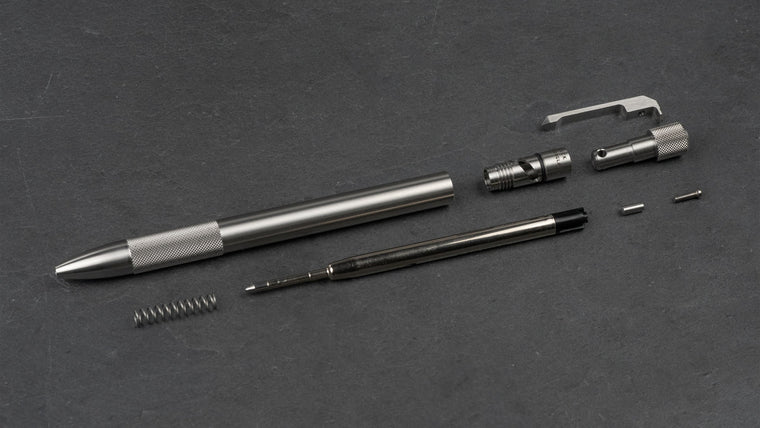
The cap unscrews over a 70 shore gasket, this gives a nice tactile action at the end of the thread, offers a small amount of resistance to keep the cap secure and also hermetically seals the cartridge so there's no risk of it ever drying out.
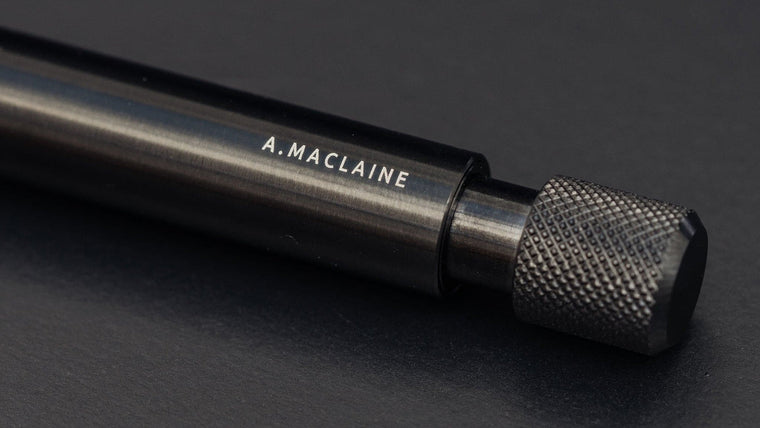
The grip has a 10mm height, 0.6mm perpendicular knurl cut into it, which gives a good grip for revealing the pen and also gives the hallmark wingback aesthetic. Inside you'll notice the cartridge hole is drilled slightly off centre, an incredibly simple detail that solves a key problem. The D1 cartridge doesn't have a shoulder to hold it into the pen body like other larger cartridges to. This means that something else needs to hold it in place. Typically this is done with a small injection moulded plastic insert. We avoid plastics where possible, and found that locating the cartridge off centre causes a very small amount of flex in it once assembled into the body, this flex holds it tight on the edge of the two holes it's located in, creating an almost passive locking mechanism.
The pen that comes out is about as small as is usable and is ideal for a quick note or signature, and for longer writing sessions the cap can be posted by screwing it onto the back of the grip for a full length 132mm (5.20") writer.
The weight isn't insignificant. 34g in steel and Black Steel, a touch more at 37g in brass, enough to sit steadily in the hand and remind you to take just a little bit longer to keep your work neat.
Small enough to forget you're carrying it, full-size the moment you really need to write.

The three metals
The same geometry is machined in three different metals, all three are CNC-machined and finished in England from aerospace-grade metal sourced in Europe. The main difference is the aesthetic and how they age over time.
| Finish | Character | Care |
|---|---|---|
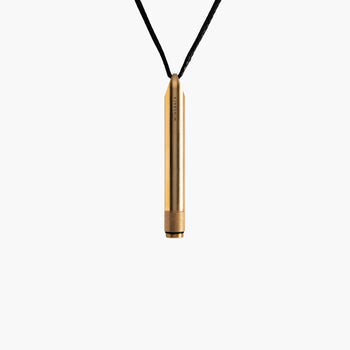
| Pocket Pen – Brass | Warms and darkens into a patina with handling | Polishes back to a bright lustre whenever you like |
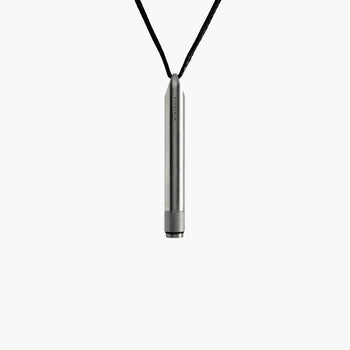
| Pocket Pen – Steel | Bright, corrosion-resistant 303 stainless | None needed |
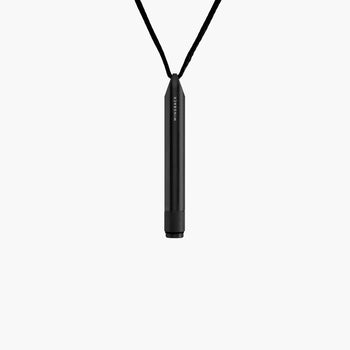
| Pocket Pen – Black Steel | Deep black, 4-micron tungsten carbide surface | None needed |
Solid brass
Brass is the most characterful of the three. It oxidises and reacts with the natural oils in your skin, so it warms and darkens with use and starts to look like a tool that has been somewhere. If you ever want it bright again, a little metal polish takes it straight back to its original lustre. It is the pen for people who like the idea of a surface that keeps a record of journeys shared
Stainless steel
Stainless steel is the low-maintenance choice: corrosion-resistant, hard-wearing and asking nothing of you beyond the occasional wipe. It holds its bright finish and will resist scratches somewhat better than it's softer brass counterpart, which makes it a natural fit for a pen that lives on a set of keys.
Black Steel
Black Steel is stainless taken a step further, with a 4-micron tungsten carbide surface that is around nine times harder than stainless steel making it the most scratch resistant finish we offer. It is the kind of coating usually reserved for high-performance cutting tools, and here it gives a deep black that needs no care. If you want to understand exactly how it compares to brass, steel and titanium, we go deeper in our guide to Wingback metal finishes.
Why the D1 refill?
A small pen only works if the ink inside it is small too. That is why the Pocket Pen is built around the D1 cartridge, the compact industry standard that keeps the design versatile. Every pen comes with a black Schmidt 635 D1 included for its smooth, consistent ink flow, and because D1 is an open standard you can easily switch out for your preferred colour or brand.

Personalisation and how it wears
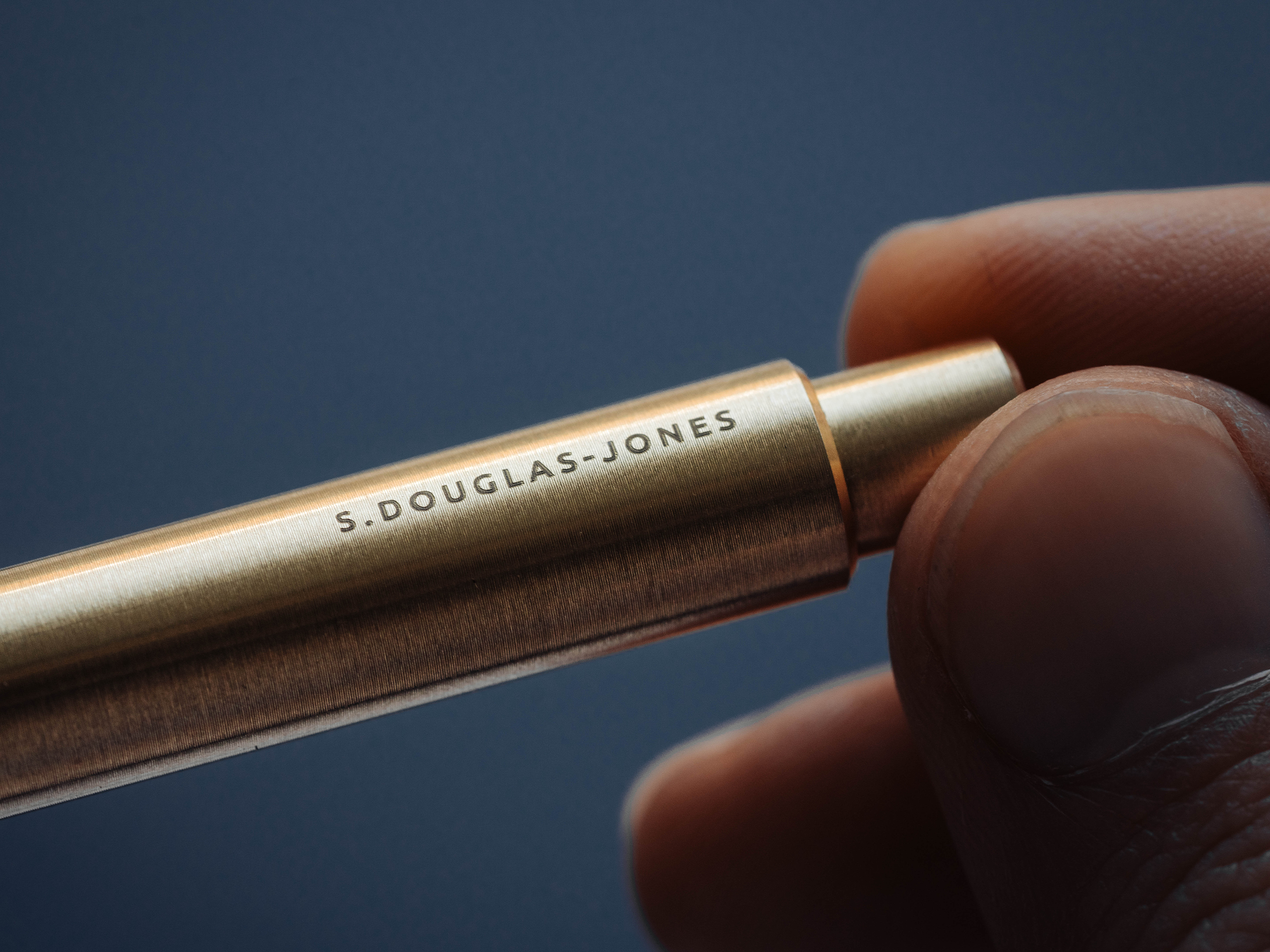
You can add up to 35 characters along the barrel, in capitals, machined into the metal rather than printed on top, so it becomes part of the pen rather than something to rub off. Names, initials, coordinates and short lines all work well.
Kept on a keyring, the Pocket Pen will pick up marks, and that is by design. Those little scuffs are not a flaw in the finish but the record of your journeys, and the pen is built to last long enough to have a proper story to tell in thirty years' time. That thinking sits at the heart of our buy less, buy better approach, and every Pocket Pen carries our lifetime guarantee.
If you are weighing it up against the rest of the range, our guide to which Wingback pen suits you is a good place to look next.
The Wingback Team







Leave a comment